
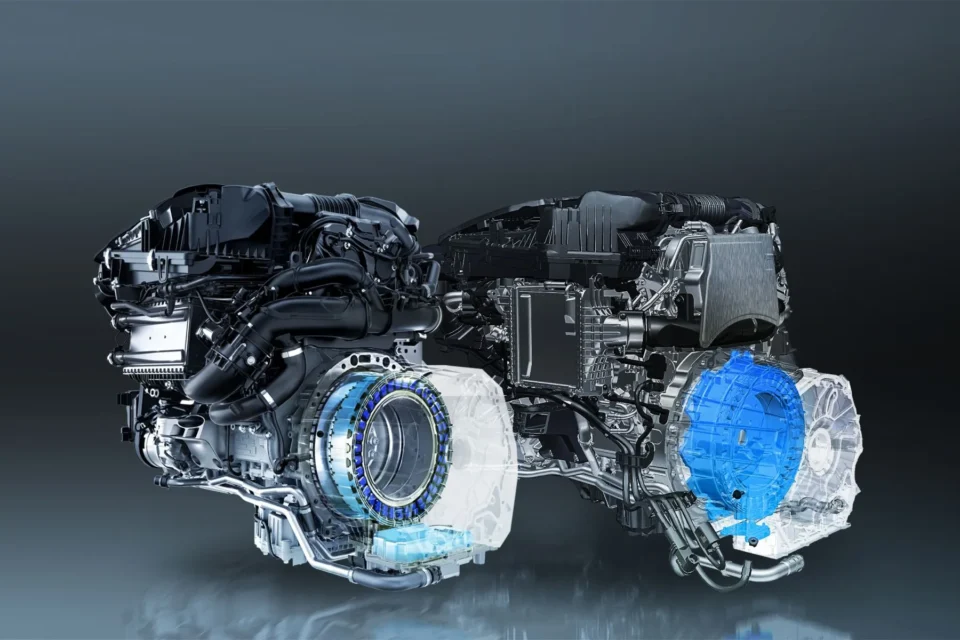
Mercedes’ move into gentle-hybrid technology—particularly accompanying its 48-volt electrical architecture—has revolutionized how luxury cars drive. Added torque, smoother start-stop, quieter idle continue, and efficiency gains make the 48V battery system a construction masterpiece. But while these systems boost performance and civilization, they also present a new kind of vulnerability: weak maintenance practices.
Many owners unknowingly diminish their Mercedes 48V battery age, leading to unexpected failures and expensive replacements. Understanding by what method the system everything, why it wears out, and the mistakes that accelerate the allure of death is critical for anyone driving a modern Mercedes.
What the 48-Volt Battery Really Does
Most Mercedes drivers acquire the 48V battery only capacities electrical accessories. In reality, it does much more:
• Supports the energetic motor generator (ISG)
• Handles stop-start functions
• Reduces alternator load to help fuel economy
• Powers high-demand elements
• Smoothens acceleration and torque fill
Because this battery works uniformly, even when you don’t notice it, it wears faster than typical 12V batteries. And different a cheap routine battery, 48V systems are costly—frequently exceeding a thousand dollars to replace during European Auto AC Repair in Puyallup, WA.
1. Ignoring Software Updates
Mercedes mild-composite systems rely heavily on the control program. Updates optimize battery charging logic, chilling cycles, and voltage establishment. But many owners miss dealer visits or reject update reminders.
Result?
• Overcharging or undercharging phases
• Heat build-up
• Premature depravity
A simple software restore can extend battery life—but only if you prioritize it.
2. Letting the Car Sit Unused
48V batteries hate inaction. Mercedes models equipped with them are designed to era energy constantly. When the car is parked for weeks:
• The battery self-discharges
• Protective charging phases stop
• Cells deteriorate faster
Owners returning from widespread storage frequently blame “electrical glitches,” when the miscreant is an under-maintained composite battery.
Solution: Start and drive the automobile at least once each week or two to keep the system active. You can also consult experts like Kassel Motorsports.
3. Jump-Starting Incorrectly
An unexpected number of Mercedes mild-mixture failures trace back to improper jump-starts. Because the 48V system is linked to the 12V battery, wrong jump procedures can:
• Spike service
• Damage inverter electronics
• Fry battery listening modules
Mercedes provides named jump points for a reason—improper orders can cost thousands in electronics substitutes.
4. Skipping Auxiliary Battery Inspections
The 12V and 48V systems agree. When the auxiliary battery weakens, the 48V unit has to offset. Many drivers restore the main battery but neglect the smaller support battery, unseen under seats or panels.
Conclusion
Protecting it through smart maintenance habits by experts like Kassel Motorsports can prevent sudden warning lights, limp mode situations, and big replacement bills. For owners, understanding these mistakes and correcting them early ensures their mild-composite Mercedes remains smooth, strong, and reliable for years to hand.
