
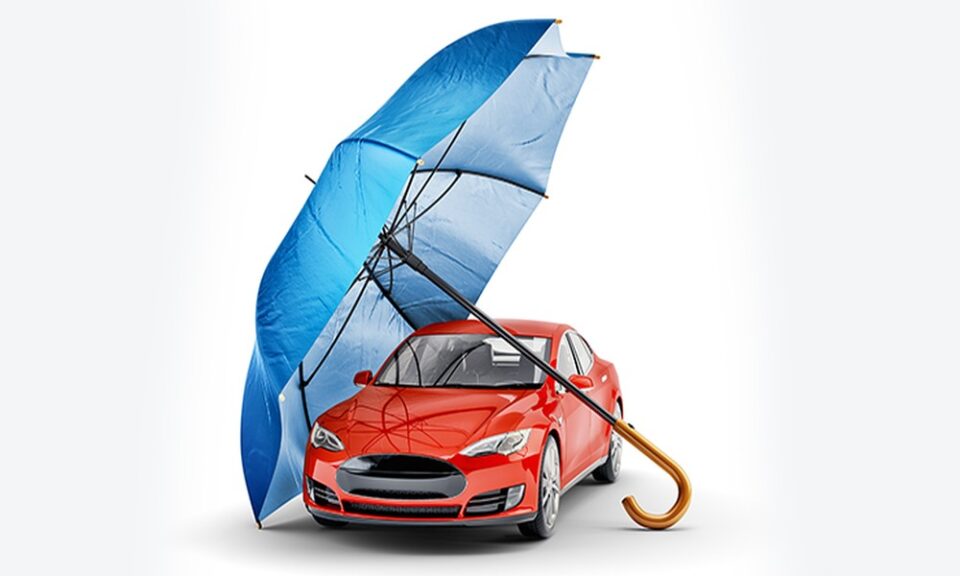
Car insurance helps pay for legal liability, car damage, theft, and accident-related expenses, depending on the policy you choose. In India, at least third-party cover is legally required under the Motor Vehicles Act, while broader plans can also protect your own car. This guide explains car insurance in plain terms so you can understand what each policy actually covers.Say you are a first-time car owner in Bengaluru comparing third-party and comprehensive cover before monsoon season. One keeps you legally compliant; the other can also help if your car is damaged in flooding, a crash, or theft. Your premium changes based on risk, car model, city, usage, and add-ons.You will also learn how benefits, add-ons, claims, and renewal work, so choosing the right policy gets much easier once the basics are clear.
Car insurance in india: what it covers and why it matters
Car insurance is both a legal safeguard and a financial safety net for Indian drivers. At the minimum, it can cover damage or injury caused to another person, vehicle, or property, and that basic third-party car insurance is legally required under the Motor Vehicles Act, subject to current IRDAI rules and updates.Coverage gets wider when you move beyond the legal minimum. A broader plan may include own damage cover for your car, plus theft, fire, riot, flood, storm, and other natural calamities. Many policies also include personal accident cover, though limits and terms vary by insurer and plan.Think of a city driver in Bengaluru: a small bumper hit may be manageable, but a major accident, engine bay fire, or theft can mean a repair bill running into lakhs. As parts, labour, and liability costs rise, the right cover protects both your savings and your stress levels.
Always check what is included, excluded, and capped before you buy.
Choose the right policy type by matching cover to your car and usage
Once you know what car insurance can cover, the next step is choosing a policy that actually fits your situation. Not every driver needs the same policy; the right choice depends on your car’s age, how often you drive, and how much repair risk you can absorb.Use this simple rule:
- third-party car insurance: Older cars and owners focused on legal compliance
- standalone own damage: Drivers who already have an active third-party policy
- comprehensive car insurance: Newer cars, financed cars, or daily city use
A Mumbai commuter with a 2-year-old hatchback usually benefits more from wider cover than a weekend driver with a 12-year-old car. The tradeoff is simple: lower premium usually means narrower protection.
Buy the policy that matches your likely loss, not just the cheapest quote.
If you want fewer out-of-pocket surprises, broader cover is often the smarter call.
The real benefits go beyond compliance: where good cover saves money
Choosing the right policy is not only about meeting legal rules. The biggest value of car insurance shows up when an accident, theft, or surprise repair bill hits, not on the day you buy the policy.A good plan protects your savings, gives access to network garages through the cashless claim process, supports third-party liability cases, and helps preserve your No Claim Bonus when you drive claim-free. In Indian cities, traffic density, waterlogging, rising labour rates, and costly parts can turn a small incident into a large bill fast.For example, a low-speed hit that damages a bumper and one headlamp can easily cost ₹18,000 to ₹35,000, depending on the car and parts. With the right cover, your out-of-pocket cost may drop sharply, which reduces stress and keeps one bad day from upsetting your monthly budget.
Add-ons are useful only when they fit your risk, not just because they sound premium
After picking the base policy, many buyers get pushed toward add-ons. These can be useful, but only when they match how, where, and how often you drive. The right extras can reduce out-of-pocket costs, but loading every option into your car insurance policy often pushes up premium without enough value.
Pick add-ons for your risk, not for the sales pitch.
- Zero depreciation add-on: best for new cars and city driving, because part replacements are costly.
- Roadside assistance: useful for highway users, solo drivers, and older vehicles.
- Engine protection: worth considering in flood-prone cities.
- Return to invoice: suits expensive new cars with higher theft or total-loss risk.
- Consumables cover: helps frequent drivers.
- NCB protection: useful if you want to preserve No Claim Bonus after one claim.
For an older, low-use car, fewer add-ons usually make more sense.
Claim process made simple: what to do first, what documents matter, and what delays claims
Even the best cover matters only if the claim goes smoothly. Fast, accurate action after damage usually decides how easy your claim feels. Start by informing your insurer immediately, click clear photos, note time and location, and move the car only if safety demands it.
Do not start repairs before insurer approval unless it is an emergency.
Then follow the right path:
- File an FIR for theft, major accidents, or third-party injury.
- Share policy copy, RC, driving licence, claim form, photos, and repair estimate.
- Wait for surveyor inspection.
- Track approval for reimbursement or the cashless claim process.
A Mumbai driver with a bumper scrape may choose to pay out of pocket, while accident damage needs a formal claim. Not every dent or breakdown should be treated the same way, because small claims can reduce your No Claim Bonus.
When you renew car insurance, compare before you click renew
Renewal is where many costly mistakes happen. The best time to improve your cover is when you renew car insurance, not when you blindly repeat last year’s policy.Check the details that change your value, not just the premium:
- IDV: too low cuts claim payout
- Claim history and No Claim Bonus
- Add-ons you still need, like zero depreciation
- Insurer service quality and garage network
- Premium changes after city, car age, or usage shifts
A Delhi driver who now parks on the street may need stronger cover than before, even if the old plan felt “good enough”.
Compare protection, payout value, and claim support before price.
Late renewal can trigger inspection or affect continuity benefits, depending on insurer rules. Act before expiry.
What to do next: a 5-minute checklist before you buy or renew
If you are ready to act, keep it simple. Take five minutes now and run this quick check before you buy or renew car insurance.
Buy the policy that will be easiest to claim, not just the cheapest to quote.
- Confirm the legal minimum: third-party cover.
- Choose policy type: liability-only or full cover.
- Pick only useful add-ons like zero dep for a newer city car.
- Compare claim support and nearby cashless garages.
- Read exclusions, waiting limits, and deductibles.
- Review final premium, IDV, and No Claim Bonus.
Conclusion
The best car insurance policy is the one that pays well and pays fast, not just the cheapest quote. Pick cover that meets legal rules, matches your car’s risk, and keeps claims simple. When you renew car insurance, compare protection, add-ons, service quality, and claim support before your next drive.
