
1. INTRODUCTION
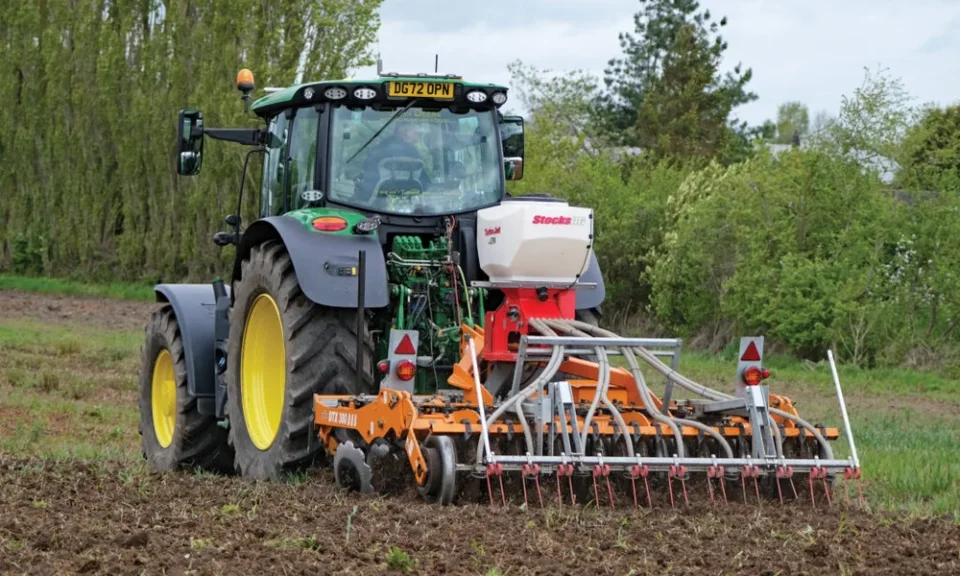
Selecting a suitable seed drill is one of the critical decisions a farmer can make since this equipment directly impacts crop yield. One should consider their soil structure, crop type, and farm size before picking the appropriate drill. Poorly selected seed drill can cause poor grain production and poor seed placement, thus lower yields. Therefore, it is essential to take the time required to choose the most suitable seed drill. It will undoubtedly help the farmer save time and money in the long run.
Before choosing equipment, farmers should also consider how the seed drill will fit into their overall planting process. Factors such as operating width, seed capacity, adjustment options, ease of maintenance, and compatibility with the tractor can affect daily efficiency and long-term value. Evaluating these practical details alongside crop and soil requirements can help ensure the selected drill performs reliably while supporting consistent planting results.
2. CONSIDER THE CROP TYPE
When you choose a seed drill you first need to consider the type of crop to be planted. Different crops need different amounts of space between seeds and different depths of planting, so it’s important to make sure that a given drill can be adjusted to the needs of the crop in question. Some drills are designed to plant grain, while others are better for row crops or for smaller seeds like those used in vegetables; getting the right drill for the right crop is the foundation of any good choice.
3. THINK ABOUT SOIL CONDITIONS
Soil type is another factor that plays an equally important role in this situation. Heavy clay and light sand are fundamentally different in terms of planting needs. A relatively light drill is not likely to be effective in a plot with a thick and rocky texture. The farmer must assess his preferences and the characteristics of his land to avoid failure during the growth process.
4. MATCH THE DRILL TO FARM SIZE
Another thing that should not be ignored is the size of the farm. A small enterprise will not have the necessity to use a drill for big operations, and such an investment will lead to underuse of machinery. At the same time, a large farm will not benefit from a small drill, as it will not suit the required productivity level.
5. CHECK BUILD QUALITY
It is also worth considering the construction of the seed drill. Sturdy frames, dependable seed metering mechanisms, and durable openers all contribute to the machine’s overall performance. A seeder with a dubious metering mechanism will ensure uneven planting and, therefore, a reduced yield. It is always a good idea to take a closer look at the machine’s build quality.
6. ENSURE EQUIPMENT COMPATIBILITY
It should also not be forgotten that compatibility with existing equipment is often overlooked, including the tractor or other machinery that will be used directly behind it. A seed drill that doesn’t match up well in terms of power output requirements and attachments will simply be a waste of money.
7. TALK TO EXPERIENCED FARMERS AND DEALERS
One last tip is to consult with other farmers or trusted dealers who have firsthand knowledge and experience with the different models. They will be able to share helpful information with you about which ones are the easiest to use and what common problems arise that may require repair.
8. CONCLUSION
Choosing the right seed drill will not only be about the most popular, cheapest option available but also figuring out what your farm requires and finding the best match for it. The proper seed drill will make the planting process easier and more rewarding for the years to come.
