
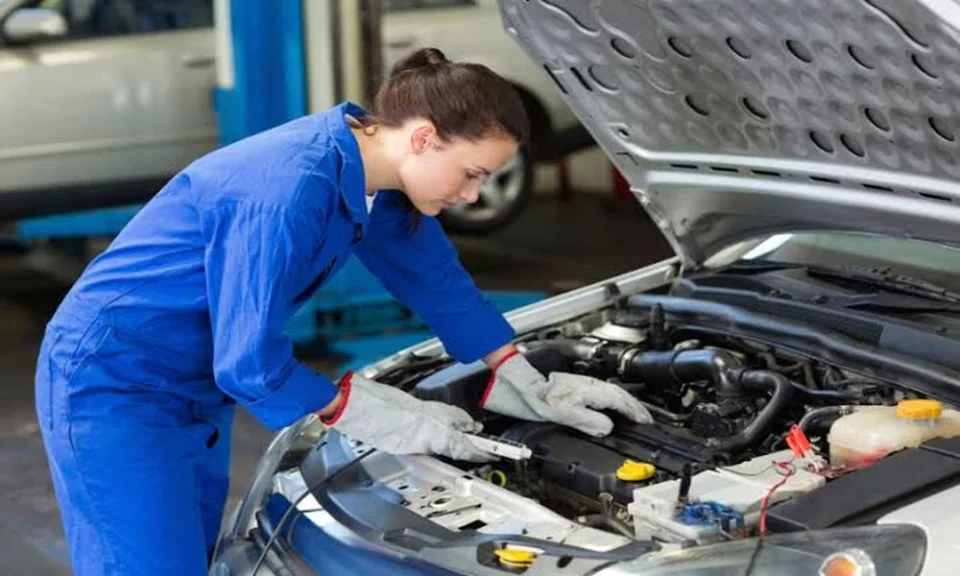
Consistent care preserves the integrity of aging metal parts under extreme pressure. Skilled technicians at Olympia Autoworks understand how heat cycles affect older engine blocks significantly. Proper cooling extends the functional life of your trusty vehicle for many years.
The Role of Coolant Chemistry
Engine coolant circulates through tight channels to absorb intense heat from burning fuel. Over many years the chemical additives inside this fluid break down into acidic sludge. This corrosive mixture eats through thin radiator walls and delicate rubber hoses inside cars. You should schedule regular flushes to remove harmful debris and fresh fluid protects metals. Experts at Olympia Autoworks recommend frequent inspections to catch hidden chemical degradation before leaks start. Clean fluid ensures optimal heat transfer efficiency across the entire cooling loop daily.
Preventing Internal Corrosion and Blockages
Older cooling systems often accumulate mineral deposits from low-quality water sources used previously. These hard scales restrict liquid flow and create dangerous hot spots inside the engine. Blocked passages force the water pump to work harder than normal operating limits allow. You might notice the temperature gauge climbing steadily during slow traffic or steep climbs. A professional European Auto Repair in Olympia, WA service will perform a pressure test to check flow. Regular maintenance remains the best defense against sudden cooling system failure on highways.
Inspecting Hoses and Belt Components
Rubber hoses deliver vital coolant between the hot engine and the external cooling fins. Heat and vibration cause these essential components to become brittle or develop tiny cracks. Sometimes a sudden burst leaves drivers stranded on the road without any warning signs. You must replace cracked hoses immediately to avoid massive fluid loss and severe overheating. The team at Olympia Autoworks inspects these vulnerable connections during every routine oil change visit. Reliable hoses maintain the necessary system pressure required for effective high temperature heat dissipation.
Monitoring the Cooling Fan Operation
Electric cooling fans pull air through the radiator core when vehicle speed remains low. Older fan motors frequently struggle to engage properly due to worn internal electrical contacts. A failed fan causes rapid temperature spikes whenever the automobile stops at traffic lights. You need functional fans to compensate for the lack of natural airflow during idling. Mechanics test relay switches and motor resistance to ensure the fan activates when needed. Reliable fan performance keeps the engine temperature within safe ranges during hot summer months. Proper electrical maintenance guarantees that the cooling system responds quickly to changing road demands.
Conclusion
You should watch the dashboard warning lights closely for any signs of rising heat. Ignoring these indicators leads to warped cylinder heads and total engine seizure very quickly. Proactive diagnostic checks save massive amounts of money compared to complete engine replacement costs. Consistent monitoring helps you enjoy a smooth ride for thousands of additional happy miles.
