Every year, Albertans leave real money sitting in their driveways because selling a scrap car feels more complicated than it is. Uncertainty around who to call, what the car is worth, and what paperwork’s involved keeps many vehicles uncollected longer than they should be. The process is straightforward once you know what to expect.
Understanding each stage helps you avoid common pricing tactics and puts you in a stronger position from the first call to the final handoff. This guide covers everything from confirming your car qualifies as scrap to getting paid on pickup day.
How to Know Whether Your Car Qualifies as Scrap
The terms “scrap,” “junk,” and “salvage” get used interchangeably, but they don’t mean the same thing.
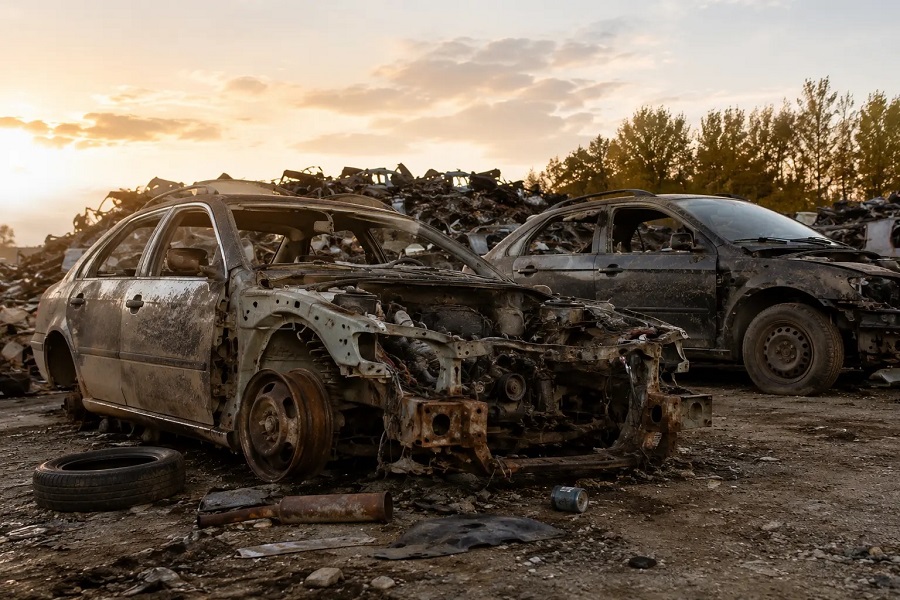
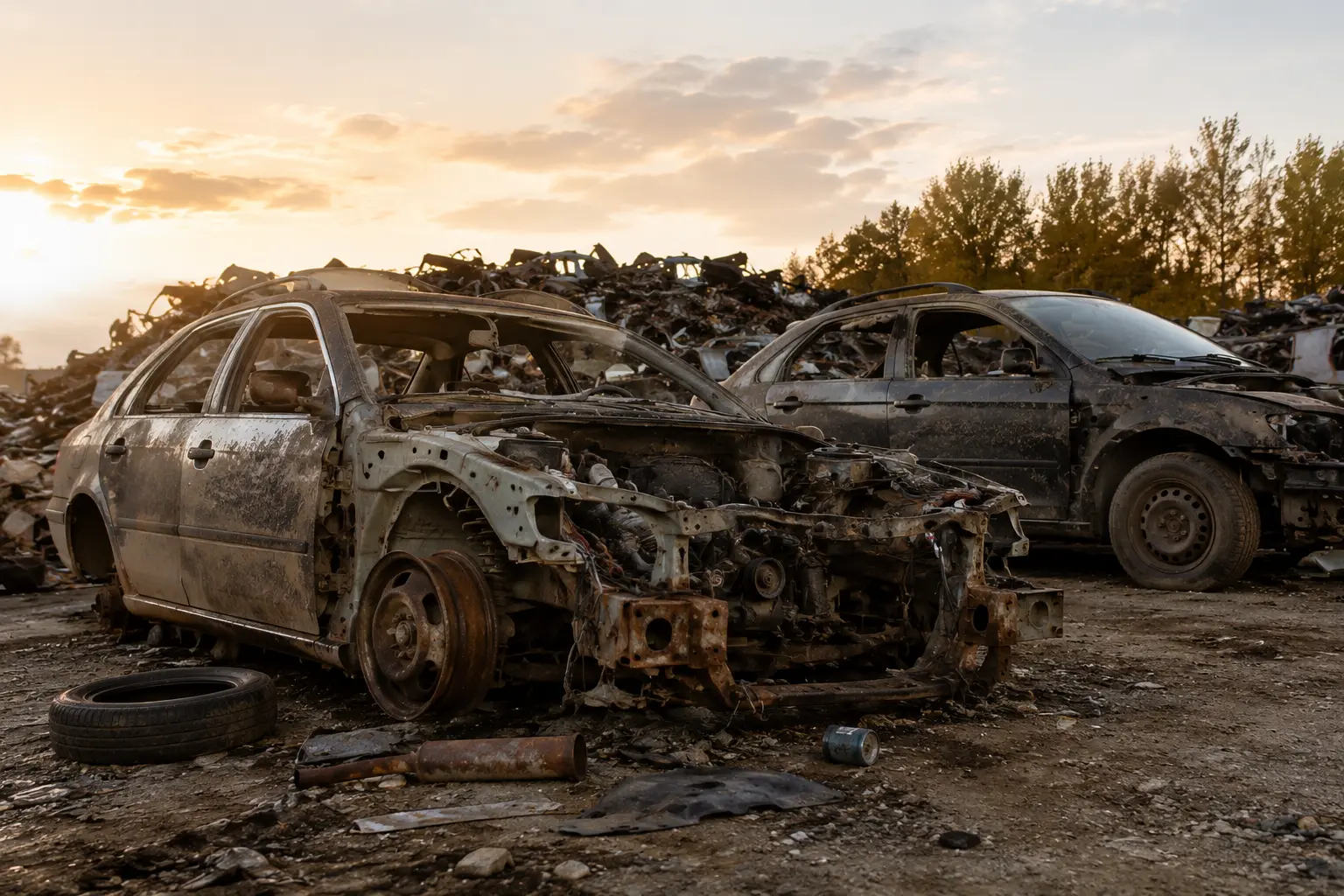
A scrap car is one where the raw metal content is the primary value. It’s end-of-life, not roadworthy, and costs more to repair than it’d sell for. Junk is often used to mean the same thing casually, though some junk vehicles still have reusable parts. A salvage vehicle has usually been written off by an insurer but may still be rebuildable or have components worth recovering.
Your car’s likely scrap if any of the following apply:
-
It failed a safety inspection and repairs exceed its market value
-
There’s rust-through on the frame, floor panels, or structural components
-
The engine or transmission has seized and needs a full rebuild
-
It hasn’t been driven or insured in over a year
-
Any realistic buyer would tow it rather than drive it away
What Your Scrap Car Is Worth and Why Quotes Vary
Scrap car values aren’t standardised, and the difference between buyers is often larger than sellers expect.
The main factors affecting price are vehicle weight, working components such as catalytic converters, alternators, and batteries, make and model, and current scrap metal prices, which fluctuate with commodity markets.
Online instant quotes provide a useful starting point, but they usually don’t reflect local demand or your vehicle’s exact condition. Two legitimate companies can offer very different amounts for the same car. Getting two or three quotes is the best way to know you’re receiving a fair offer.
It also helps to have a few basic details ready before you call. Buyers will typically ask for the year, make, and model, an estimate of the mileage, and a general description of the car’s condition, including whether it starts, whether it’s been in an accident, and how long it’s been sitting. Having this information on hand means the first quote you get is closer to what you’ll actually be paid, rather than a rough estimate that changes once someone sees the vehicle in person. Sellers who can answer these questions clearly on the first call tend to move through the process faster and with fewer surprises at pickup.
Which Type of Buyer Makes the Most Sense
There are four realistic options for selling a scrap car in Alberta.
Scrap yards work well if you can transport the vehicle yourself. They weigh the car and pay on the spot, but you handle the logistics.
Private buyers sometimes pay more for vehicles with desirable aftermarket parts, though finding the right buyer can take time.
Dealership trade-ins are rarely competitive because scrap vehicles aren’t their primary business.
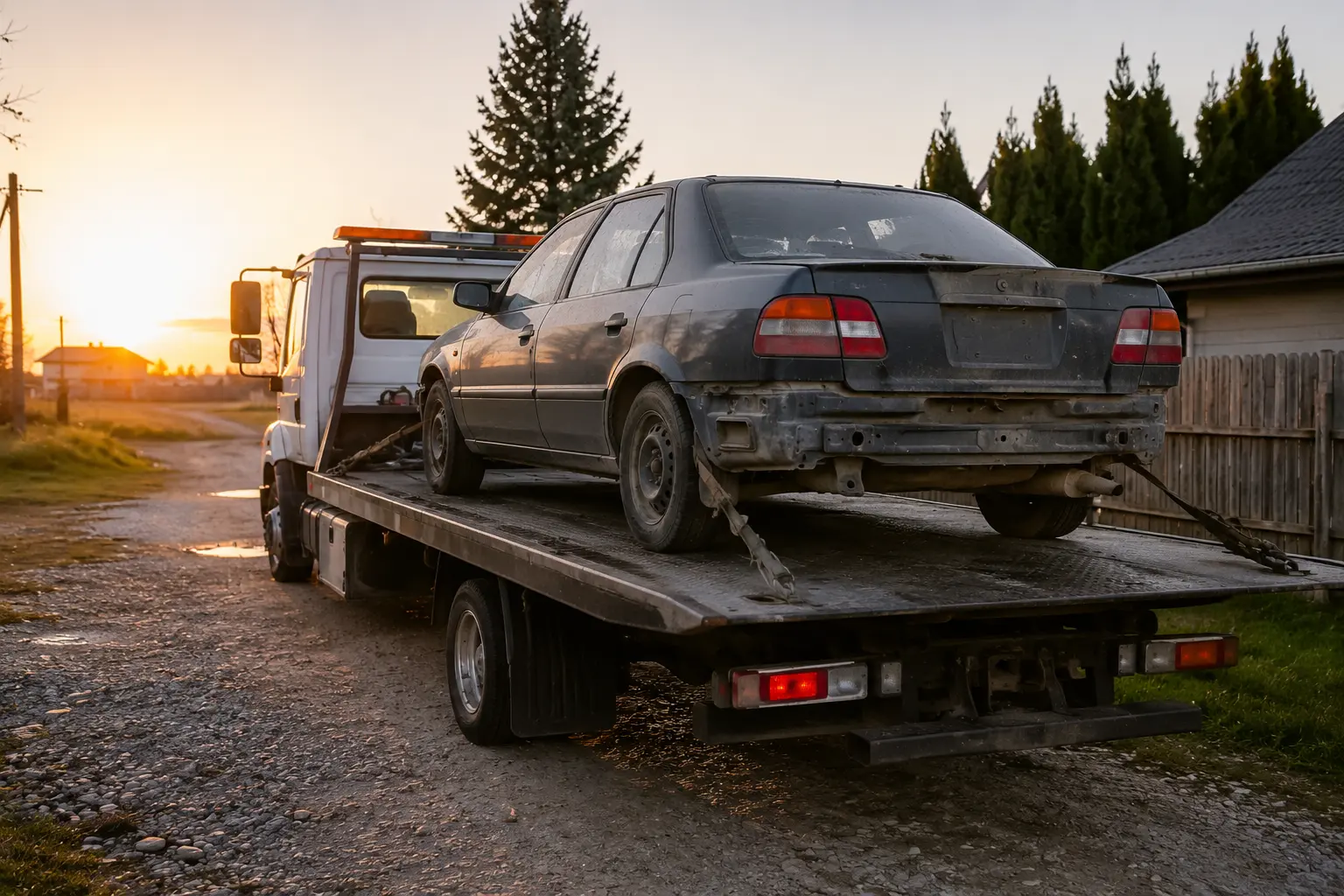
Dedicated removal services handle towing, paperwork, and payment in one visit. Scrap car removal Calgary services typically complete pickups within 24 to 48 hours without separate towing fees, making them the easiest option for most sellers.
Red Flags That Signal an Unreliable Buyer
Most transactions go smoothly, but a few warning signs are worth watching for.
The most common tactic is lowering the quoted price after the vehicle is loaded, claiming newly discovered condition issues. Many sellers accept the reduced amount rather than retrieve the car.
Legitimate buyers in Alberta hold provincial vehicle dealer or recycler licensing. Confirming a buyer’s licensing before agreeing to a sale is a reasonable precaution.
Other warning signs include no verifiable business address, vague answers about payment timing, or reluctance to confirm the agreed price in writing. Even a text or email confirmation helps protect you if terms change on pickup day.
What to Expect on Pickup Day
Once you’ve accepted an offer, pickup is usually the easiest part of the process.
The buyer arranges and pays for towing. Payment is made on the spot by cash or e-transfer, and you’ll need to show ID and sign over the registration. Alberta doesn’t use a separate vehicle title document like some provinces.
Before the truck arrives:
-
Remove all personal belongings from the vehicle
-
Remove your licence plates, which stay with the owner in Alberta
-
Cancel your insurance after the vehicle has been collected
If you’re outside a major city, confirm the buyer services your area before booking. Scrap car removal High River and many surrounding communities are covered by established operators.
How to Get the Best Price Before You Sell
Timing is one of the biggest factors affecting value. A vehicle that still rolls onto a flatbed is generally cheaper to process, and buyers often reflect that in their offers. Once a car becomes completely immobile or deteriorates further, its value usually drops.
Being honest about the vehicle’s condition also works in your favour. Accurate information upfront reduces the chances of a lower offer on pickup day. If you plan to remove valuable items such as a battery, aftermarket parts, or tires with usable tread before selling, let the buyer know so the quote reflects exactly what’s included.
Conclusion
Selling a scrap car in Alberta follows a straightforward process. Confirm the vehicle qualifies, understand what affects its value, and collect two or three quotes to establish a realistic price range. Verify the buyer’s provincial licensing and get the agreed amount confirmed in writing before pickup. On pickup day, the buyer handles towing, payment is made on the spot, and you hand over the registration. Whether you’re in Calgary or a smaller Alberta community, most sellers complete the process within a few days of making their first call.
