
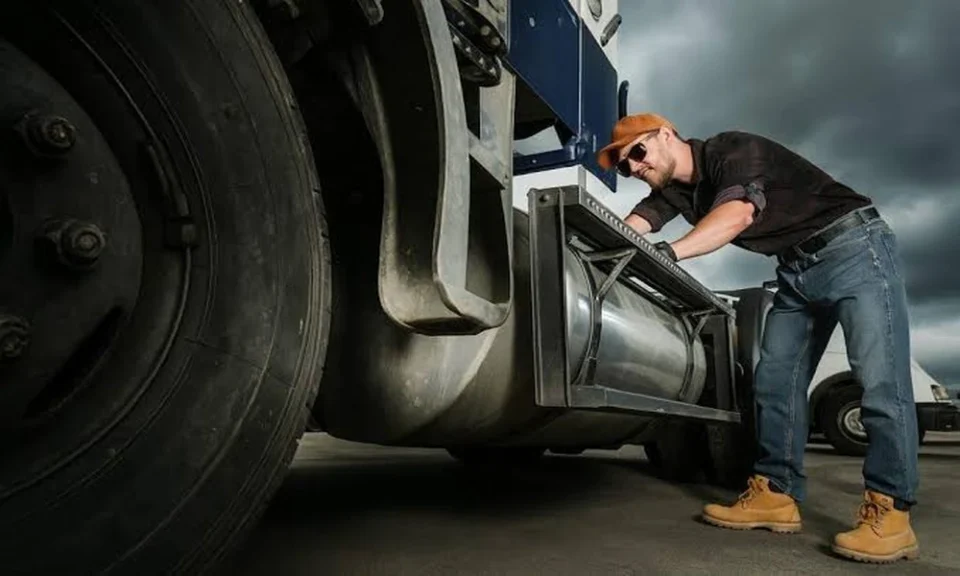
Hauling oversized freight requires specialized skills beyond standard commercial driving. Drivers must understand load dimensions, safety procedures, and route planning while remaining prepared for unique road challenges. Strong driving abilities and careful preparation help improve safety, protect cargo, reduce operational risks, and ensure efficient oversized freight transportation.
A successful oversized transport operation depends not only on equipment but also on the driver’s preparation and decision-making skills before departure. Reviewing a comprehensive Drivers Need Hauling Oversized Freight Guide can help drivers better understand route selection, permit requirements, cargo securement practices, and safe driving techniques for oversized loads. Building this knowledge before each trip allows drivers to anticipate potential challenges, comply with transportation regulations, and confidently handle the unique responsibilities involved in moving oversized freight safely and efficiently.
Understand Vehicle Dimensions and Load Limits
Before beginning any trip, drivers should know the exact dimensions and weight of the load they are transporting. Height, width, length, and total weight all influence route planning and driving techniques.
Understanding these details helps drivers:
- Select appropriate travel routes
- Avoid low bridges and overhead obstacles
- Maintain proper lane positioning
- Comply with transportation regulations
Knowing the load’s specifications is the foundation of safe oversized freight transportation.
Strengthen Defensive Driving Skills
Defensive driving becomes even more important when hauling oversized cargo. Large loads require greater stopping distances, wider turns, and additional space for lane changes.
Drivers should remain alert to changing traffic conditions and anticipate the actions of other motorists. Maintaining safe following distances and reducing speed when necessary helps improve overall road safety.
Develop Strong Route Planning Abilities
Successful oversized freight transport begins long before the vehicle starts moving. Drivers should carefully review the planned route to identify potential hazards and restrictions.
Important factors to evaluate include:
- Bridge height and weight limits
- Road construction zones
- Narrow roads
- Sharp curves
- Traffic congestion
Proper planning reduces delays and minimizes the likelihood of unexpected obstacles during the journey.
Master Safe Turning and Maneuvering
Oversized vehicles require different handling techniques compared to standard commercial trucks. Wide turns, reversing, and maneuvering through tight spaces demand patience and precision.
Drivers should practice controlling the vehicle in various environments to improve confidence and reduce the risk of collisions or property damage.
Maintain Effective Communication
Oversized freight operations often involve dispatchers, escort vehicle operators, and logistics coordinators. Clear communication helps everyone remain informed about road conditions, schedule changes, and unexpected situations.
Drivers should promptly report delays, hazards, or mechanical concerns so appropriate decisions can be made throughout the trip.
Stay Calm Under Pressure
Unexpected weather, traffic delays, or road closures can occur during any haul. Drivers who remain calm are better equipped to make safe decisions and adapt to changing circumstances.
Good judgment, patience, and the ability to stay focused help reduce stress while maintaining safe driving practices.
Prioritize Vehicle Inspections
A thorough vehicle inspection should be completed before every trip. Brakes, tires, lights, steering components, mirrors, and cargo securement systems all play an important role in safe transportation.
Regular inspections help identify maintenance issues before they become serious safety concerns on the road.
Commit to Ongoing Training
Transportation regulations, equipment, and industry best practices continue to evolve. Drivers who participate in ongoing training strengthen their knowledge and improve their ability to manage oversized freight safely.
Continuous learning also helps drivers stay informed about updated safety requirements and operational procedures.
